Senior Living: Your Path to Comfort and Community
Senior living communities deliver essential support for older adults, developing environments that encourage both comfort and connection. These communities offer diverse options tailored to different needs, ranging from independent living to specialized care. Residents receive structured services and engaging activities that promote well-being. Nonetheless, choosing the right community can be challenging. Understanding the various types and benefits available is essential for making an informed decision. What factors should one consider in this important change?
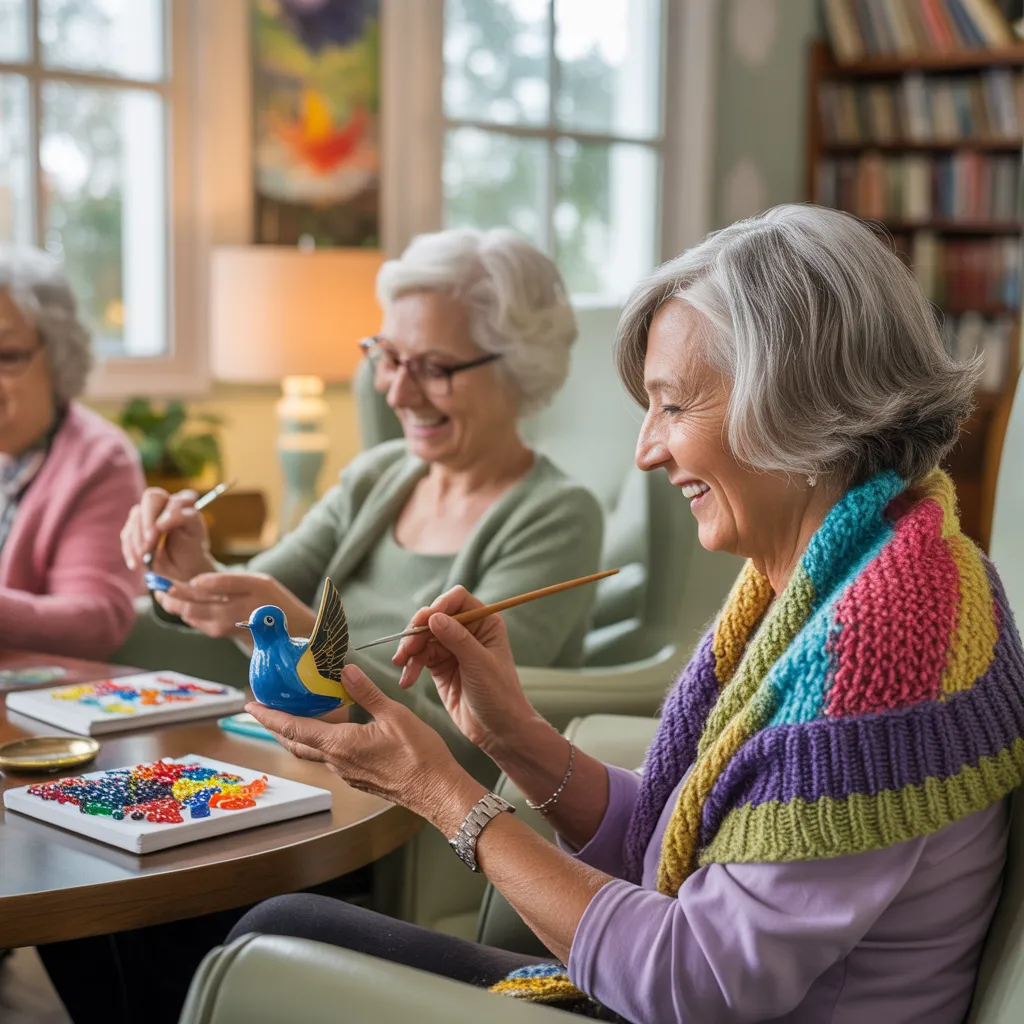
Top justifications to choose Senior Living Communities
Choosing housing for seniors can greatly boost the quality of life for older adults, notably as they look for companionship and support. These communities create a structured environment that encourages social interaction, reducing feelings of loneliness and isolation. Residents are able to engage in different activities, including fitness classes and cultural events, supporting physical and mental well-being.
Moreover, senior living facilities often offer essential services such as meal preparation, housekeeping, and healthcare assistance, allowing residents to focus on enjoying their lives rather than managing daily chores. Safety is another vital factor; these communities typically feature secure environments and staff on hand to address emergencies.
Moreover, the feeling of belonging found in these communities can substantially improve emotional health. By living among peers who share alike experiences and interests, older adults are able to create meaningful relationships, enhancing their overall happiness and life satisfaction.
Explore the different kinds of Senior Living options
In the domain of senior living, different options cater to the varied needs of older adults. Independent living provides a dynamic, self-sufficient lifestyle, while assisted living offers assistance for those needing additional help with daily activities. Understanding these distinctions is crucial for making informed choices about senior care.
Independent Living Choices
While many seniors seek to maintain their independence, a variety of living alternatives are available to accommodate their lifestyle needs. Independent living communities offer seniors a chance to live autonomously in a social environment. These communities typically provide amenities such as leisure pursuits, dining services, and housekeeping, fostering a sense of community while allowing residents to keep their personal freedom. Another option includes senior apartments, which focus on providing suitable for seniors features without broad communal services. Additionally, co-housing arrangements allow seniors to share living spaces and responsibilities, promoting camaraderie. Each option meets different preferences and financial situations, helping seniors to choose the best fit for their desired level of independence and engagement.
Assisted Care Categories
Assisted living options cater to seniors who need varying levels of support while still valuing their independence. These facilities typically offer a range of services to meet diverse needs. For instance, personal care homes offer basic assistance with daily activities such as bathing and dressing. Memory care units specialize in supporting individuals with Alzheimer’s or other forms of dementia, ensuring a safe environment designed for cognitive needs. Adult day care centers provide temporary supervision and social interaction during the day, allowing caregivers respite. Finally, residential care communities blend housing with personalized services, creating a sense of community. Each type of assisted living aims to enhance quality of life while encouraging autonomy and dignity for seniors.
The Top five Benefits of Senior Living Communities
Choosing a senior living community can significantly enhance the quality of life for older adults, as these environments are designed to promote social connections and provide essential support. One significant benefit is the sense of community, which helps reduce feelings of isolation. Residents engage in various social activities, encouraging friendships and shared experiences.
An additional benefit is access to personalized services, making certain that individuals get the support they need while keeping independence. Moreover, many senior living communities offer amenities such as fitness programs and wellness activities that support a healthy lifestyle.
Safety is also a priority, including features such as emergency response systems and safe surroundings. In the end, maintenance-free living enables residents to relax fully free from the burdens of property care. As a whole, these advantages contribute to a fulfilling and enriching lifestyle, making senior living communities an desirable alternative for seniors.
A Guide to Finding the Right Senior Living Community
How can someone determine the ideal senior living community for themselves or a loved one? The first step is to evaluate individual needs, including health care requirements, mobility, and personal preferences. It is vital to evaluate the types of services offered, such as assistance with daily activities, medical support, and transportation.
The location also holds a key position; being near to family, friends, and essential amenities can boost daily living. Visiting potential communities offers direct experience of the environment, staff interactions, and available facilities.
Budget factors are important, given that costs vary greatly among communities. Understanding what is included in the fees can prevent unexpected expenses.
Lastly, asking for suggestions from medical specialists or dependable friends can offer valuable insights. By taking these aspects into account, one can make an wise decision that is in line with their lifestyle and needs, ensuring a pleasant and stable living environment.
Exciting Community Activities for Older Adults
In senior living communities, chances for social interaction play an crucial role in enhancing residents' quality of life. Activities designed for wellness and physical activity not only promote good health but also encourage connections among residents. Together, these elements create a lively atmosphere that encourages active participation and community bonding.
Social Engagement Opportunities
An spirited array of social involvement chances improves the existence of seniors living in communal living spaces. These events encourage bonds, allowing residents to establish companionships and share experiences. Frequent events, such as organized meals, play evenings, and creative workshops, create opportunities for engagement, helping to combat feelings of seclusion. Group outings to local sites motivate adventure and pleasure of the vicinity. Volunteer initiatives also encourage seniors by helping them contribute their time and abilities, building a feeling of value. Furthermore, clubs similar information built around activities such as plant growing or reading groups let residents to bond through common interests. Through these diverse opportunities, seniors attain increased emotional balance and a boosted sense of community within their local environment.
Well-being and Fitness Plans
A large number of wellness and exercise programs play an important role in enhancing the well-being and vitality of seniors in community living. These programs are designed to suit various fitness levels, making certain that all residents can participate. Activities including yoga, water aerobics, and mild strength training promote physical health while also boosting flexibility and balance. Many communities host group classes, fostering social interaction and camaraderie among participants. Additionally, wellness initiatives often include sessions on nutrition and mental health, helping seniors to make wise lifestyle choices. By prioritizing both physical fitness and overall well-being, these programs contribute to a dynamic and engaged community, ultimately enhancing the quality of life for seniors living in these environments.
How to switch easily to Senior Living
How can one handle the often touching journey of moving to senior living? Shifting to a new environment can be challenging, yet planning and support can simplify the process. First, it is essential to visit potential communities, allowing individuals to visualize their new home and evaluate the amenities available. Engaging family members in discussions can promote emotional support and help ease anxieties.
Next, reducing belongings is crucial. Sorting through possessions can be a therapeutic experience, allowing individuals to keep cherished items while letting go of excess. Involving friends or family in this process can make it more manageable.
Developing a routine in the new community can also help adjustment. Taking part in group events and exploring wellness initiatives can establish connections and nurture a community bond. Ultimately, embracing the change with an open heart can lead to a meaningful and lively life in senior living.
Frequently Asked Questions
Exploring the Average Price of Elderly Housing Communities
The normal price of senior living communities usually ranges from $2,000 to $6,000 per month, differing significantly based on area, amenities, and the degree of care provided, making budgeting crucial for prospective residents and their families.
How can I handle transporting personal items to a Senior Living Community?
To tackle the process of moving belongings to a senior living community, one must create a detailed inventory, organize items by importance, mobilize support from family or professionals, and consider downsizing to match the new living space effectively.
Do Family Relatives Can Call on Residents in Senior Citizen Living Homes?
Yes, relatives may check in on residents in senior living communities. Many facilities encourage these visits to aid residents' psychological health, often providing reserved visiting hours and spaces to promote meaningful interactions between residents and their loved ones.
Do senior living communities permit pets?
Numerous retirement communities allow pets, promoting companionship and emotional support. That said, particular policies on kinds of pets, their sizes, and quantity differ, so future residents ought to check regulations before deciding.
What Protection Measures Are Established in Senior Living Facilities?
Senior living centers generally carry out various safety actions, encompassing emergency response systems, secure entry points, regular safety drills, accessible layouts for mobility, and trained staff available around the clock to safeguard residents' well-being and security.